I shall not want

“…I shall not want.” In what ways is this true for you?

Welcome!

On Wednesday, April 17, 2024, we explored Psalm 23 for the voice of the Spirit. Our handout included commentaries on the other appointed texts from the Acts of the Apostles (Acts 4:5-12), the First Letter of John (1 John 3:16-24), and the Gospel according to John (John 10:11-18).

Here is yet another brief look at Psalm 23. The first verse of the Psalm invites us to trust deeply.

From a commentary on Psalm 23

The psalm has been composed as the exposition of its opening line. The line makes a positive and a negative statement. The positive statement relates the LORD and the psalmist through the metaphor “shepherd.” That metaphorical statement, broadly enough understood, controls the imagery of the whole. The negative statement is a self-description of the psalmist. It uses the word “lack” (NRSV, “want”) in an absolute sense; the transitive verb is given no object. The psalmist lists what he does not lack in the rest of the psalm. […]

To say “The LORD is my shepherd” invokes all the richness of this theological and political background as well as the pastoral. The metaphor is not restricted to associations with what actual shepherds did; it is informed by what the LORD has done and what kings were supposed to do. One does not have to shift to images of guide and host to account for the whole poem. “Shepherd” understood against its usage in Israel accounts for the whole. The statement is a confession. It declares commitment and trust. It also has a polemical thrust against human rulers and divine powers. The psalm entrusts the support, guidance, and protection of life only and alone to the one whose name is the LORD.

The body of the psalm completes the sentence, “I do not lack.…” It does not leave those who say it to fill it out with what they want out of their own subjective wills. It has its own agenda of what the LORD does to fulfill one’s needs. The very personal syntax of the opening confession is maintained in the recitation of “what the LORD (he/you) does for me.” The items in the recitation can be read and understood in relation to three areas. First, what the LORD does draws on what is prayed for in the prayers for help. Second, it reflects the song of thanksgiving with its report of salvation and accompanying festivities, except here the account tells what the LORD does, not what the LORD has done in the past. Third, the recitation is at points connected with the language of Israel’s testimony to its salvation in the exodus.

Excerpted from, James Luther Mays, Psalms, Interpretation, a Bible Commentary for Teaching and Preaching (Louisville, KY: John Knox Press, 1994), 117–118.

divider line

Most Wednesday mornings a group of us gather online to explore the readings that will be used in worship the following Sunday. Our handout features readings, commentaries, and notes for the Fourth Sunday of Easter (April 21, 2024) in Year B of the Revised Common Lectionary. Please: View or download the handout we used to guide our discussion and tune our hearts to the Spirit.

View the Revised Common Lectionary readings appointed for Sunday, April 21, 2024, on the Revised Common Lectionary site curated by the Vanderbilt Divinity Library.

Please come back to this site throughout the week in order to keep learning.

divider line

Be well. Do good. Pay attention. Keep learning.

Image: ChurchArt Pro

Be gracious to me, and hear my prayer

Psalm 4 on the Third Sunday of Easter

Welcome!

Most Wednesday mornings a group of us gather online to explore the readings that will be used in worship the following Sunday. Our handout features readings, commentaries, and notes for the Third Sunday of Easter (April 14, 2024) in Year B of the Revised Common Lectionary.

On Wednesday, April 10, 2024, we explored Psalm 4 for the voice of the Spirit. Our handout included commentaries on the other appointed texts from the Acts of the Apostles (Acts 3:12-19), the First Letter of John (1 John 3:1-7), and the Gospel according to Luke (Luke 24:36b-48).

From a commentary on Psalm 4

Whether in the brightness of daytime or the gloom of night, there are times when the believer is caught somewhere between the mercy of God and merciless humans, somewhere between the God of love and the vile hatred of humanity, somewhere between the tranquility of trusting God and the trappings of human treachery. With a thorough reading of the Psalms from beginning to end, one could easily come to the conclusion that life is full of enemies, tribulations, and hardships. In fact, one could readily conclude that enemies, tribulations, sickness, and hardship go hand in hand with living. This seems to be one of the core truths the psalmists talk about. While these painful realities may not define all of human experience, they certainly seem to be at the heart of all human existence.

Far too often we mistakenly understand what should lead us to praise and what should lead us to feel blessed in terms of the absence of hardship and adversaries. Blessing, as this psalmist will conclude, is about having the full confidence in God in the midst of the inevitable realities of hardship and enemies. To nurture a faith or practice a spirituality that does not recognize or acknowledge adversity and adversaries is to live in a different world from the world of the psalmists. It is to live in a world removed from reality. The psalmists lived in the real world, and they called out to the God they found in the midst of the real world.

Perhaps it is because of the complexity of human relationships that we are driven to seek God’s answer to our prayers. According to verse 2, honor suffers shame, and mortals love vain words and seek after lies. We pray to God because there is no false communication with God (at least on God’s behalf). With God, we have authentic communion and sincere communication.

Psalm 4 confirms some of the things we assert about God.

  • God answers prayer.
  • God gives (breathing) room in human suffering.
  • God is gracious.
  • God is the source of our safety.
Gary V. Simpson, “Pastoral Perspective on Psalm 4” in Feasting on the Word: Preaching the Revised Common Lectionary: Year B, ed. David L. Bartlett and Barbara Brown Taylor, vol. 2 (Louisville, KY; London: Westminster John Knox Press, 2008), 414-416

View or download the handout we used to guide our discussion and tune our hearts to the Spirit.

View the Revised Common Lectionary readings appointed for Sunday, April 14, 2024, on the Revised Common Lectionary site curated by the Vanderbilt Divinity Library.

Be well. Do good. Pay attention. Keep learning.

Please come back to this site throughout the week in order to keep learning.

Image: ChurchArt Pro

Pentecost +12, Proper 17C

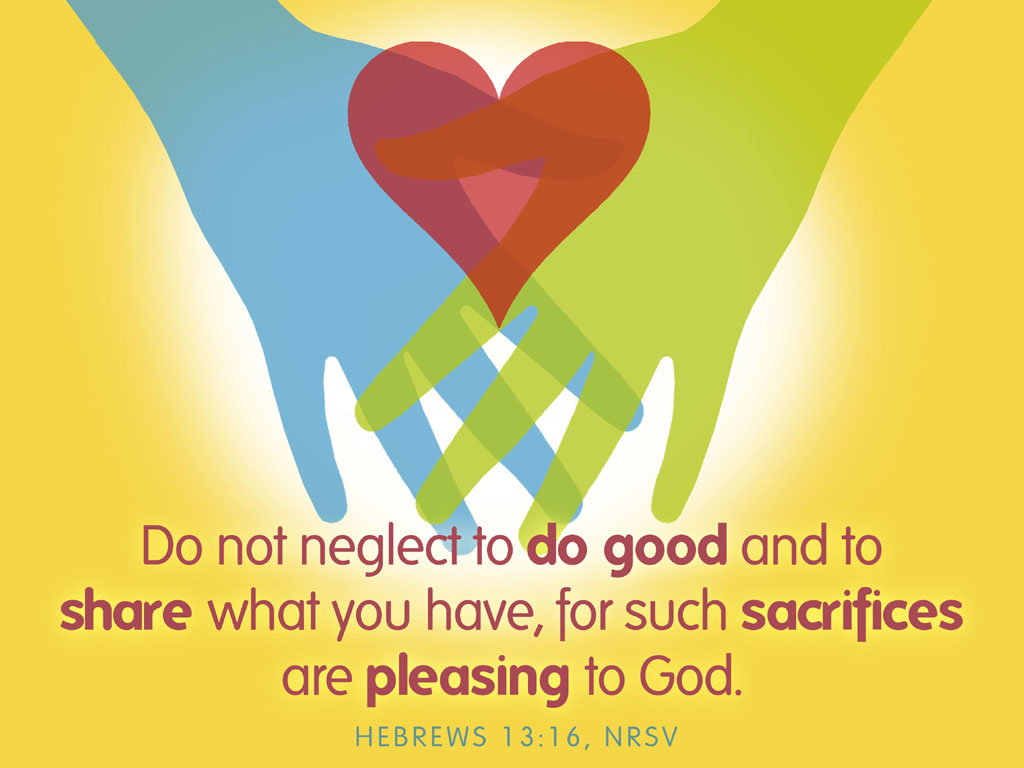
What is pleasing to God?

Welcome. Our handout features the readings for the Twelfth Sunday After Pentecost (August 28, 2022) in Year C of the Revised Common Lectionary.

In our Forum on Wednesday, August 31, 2022, we explored Hebrews 13:1-8, 15-16 for the voice of the Spirit.

Please view or download the handout we used in our discussion.

View the Revised Common Lectionary readings appointed for Sunday, August 28, 2022.

Pay attention. Keep learning.

View or download the Handout for Proper 17, Year C.

View or download the Art for Sunday, August 21, 2022 (Proper 17C) with commentary by Hovak Najarian.

Please come back to this site throughout the week in order to keep learning.

Image: ChurchArt Pro

Pentecost +11, Proper 16C

Bless the Lord, O my soul …

Welcome. Our handout features the readings for the Eleventh Sunday After Pentecost (August 21, 2022) in Year C of the Revised Common Lectionary.

In our Forum on Wednesday, August 24, 2022, we’ll explore Hebrews 12:18-29 for the voice of the Spirit. Time permitting we will listen for the Spirit in Psalm 103, as well. We listen for whisperings (or maybe shouts) about the gift of faith.

Please view or download the handout we’ll use in our discussion as we meet.

View the Revised Common Lectionary readings appointed for Sunday, August 21, 2022.

Pay attention. Keep learning.

View or download the Handout for Proper 16, Year C.

View or download the Art for Sunday, August 21, 2022 (Proper 16C) with commentary by Hovak Najarian.

Please come back to this site throughout the week in order to keep learning.

Image: ChurchArt Pro
Pentecost +10, Proper 15C

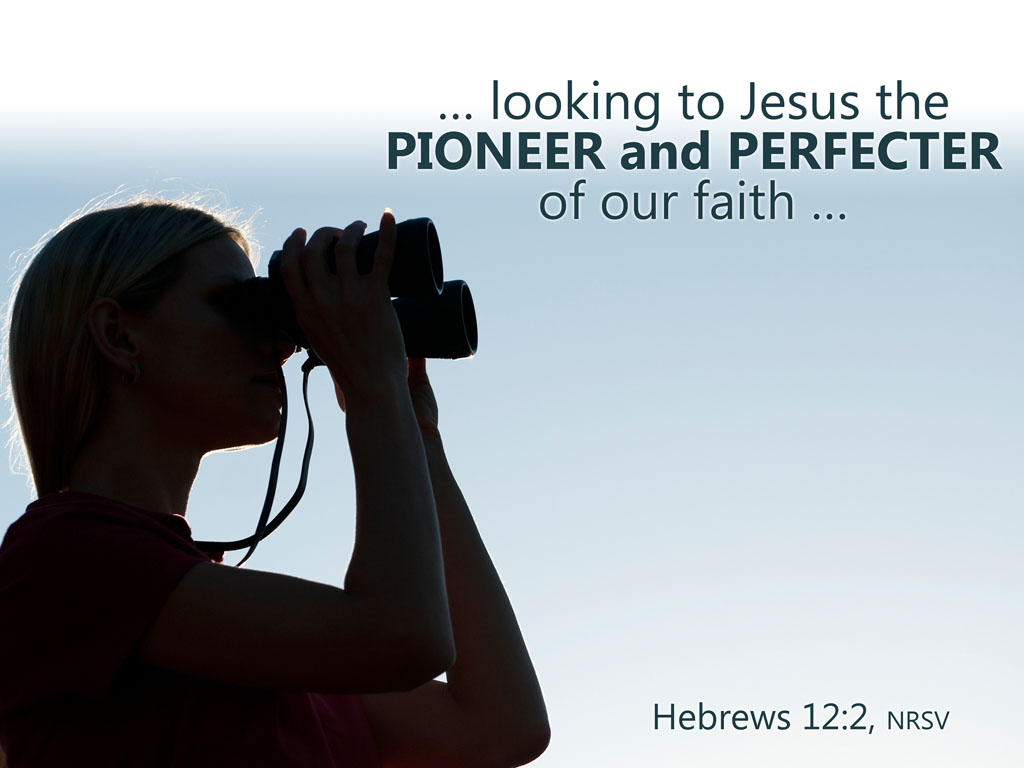
Faith … the assurance of things hoped for, the conviction of things not seen.

Welcome. Our handout features the readings for the Tenth Sunday After Pentecost (August 14, 2022) in Year C of the Revised Common Lectionary.

In our Forum on Wednesday, August 17, 2022, we’ll explore Hebrews 11:29–12:2 for the voice of the Spirit. We listen for whisperings (or maybe shouts) about the gift of faith.

Please view or download the handout we’ll use in our discussion as we meet.

View the Revised Common Lectionary readings appointed for Sunday, August 14, 2022.

Pay attention. Keep learning.

View or download the Handout for Proper 15, Year C.

View or download the Art for Sunday, August 7, 2022 (Proper 15C) with commentary by Hovak Najarian.

Please come back to this site throughout the week in order to keep learning.

Image: ChurchArt Pro

Pentecost +9, Proper 14C

Faith. It is a gift …

Welcome. Our handout features the readings for the Ninth Sunday After Pentecost (August 7, 2022) in Year C of the Revised Common Lectionary.

In our Forum on Wednesday, August 10, 2022, we’ll explore Hebrews 11:1-3, 8-16 for the voice of the Spirit. We listen for whisperings (or maybe shouts) about the gift of faith.

Please view or download the handout we’ll use in our discussion as we meet.

View the Revised Common Lectionary readings appointed for Sunday, August 7, 2022.

Pay attention. Keep learning.

View or download the Handout for Proper 14, Year C.

View or download the Art for Sunday, August 7, 2022 (Proper 14C) photography by Vince Heuring with commentary by Hovak Najarian.

Please come back to this site throughout the week in order to keep learning.

Image: ChurchArt Pro

Pentecost +8, Proper 13C

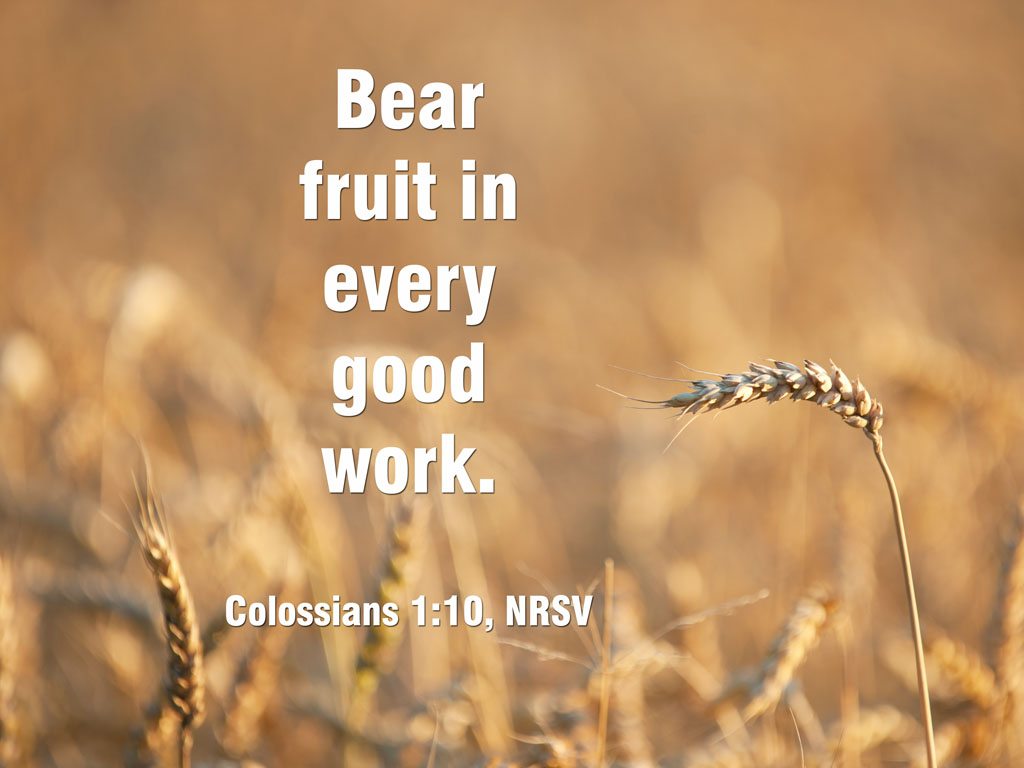
Christ is all and in all!

Welcome. Our handout features the readings for the Eighth Sunday After Pentecost (July 31, 2022) in Year C of the Revised Common Lectionary.

In our Forum on Wednesday, August 3, 2022, we’ll explore Colossians 3:1-11 for the voice of the Spirit that we might continue to grow in Christ here and now.

Please view or download the handout we’ll use in our discussion as we meet.

View the Revised Common Lectionary readings appointed for Sunday, July 31, 2022.

Pay attention. Keep learning.

View or download the Handout for Proper 13, Year C.

View or download the Art for Sunday, July 31, 2022 (Proper 13C) with commentary by Hovak Najarian.

Please come back to this site throughout the week in order to keep learning.

Image: ChurchArt Pro

Pentecost +7, Proper 12C

When you pray, say …

Welcome. Our handout features the readings for the Seventh Sunday After Pentecost (July 24, 2022) in Year C of the Revised Common Lectionary.

In our Forum on Wednesday, July 27, 2022, we’ll explore the Lord’s Prayer and the teachings of Jesus that follow (Luke 11:1-13)

Please view or download the handout we’ll use in our discussion as your own exploration continues.

View the Revised Common Lectionary readings appointed for Sunday, July 24, 2022.

Pay attention. Keep learning.

View or download the Handout for Proper 12, Year C.

View or download the Art for Sunday, July 24, 2022 (Proper 12C) with commentary by Hovak Najarian.

Please come back to this site throughout the week in order to keep learning.

Image: ChurchArt Pro

Pentecost +5, Proper 10C

In our prayers for you we always thank God, the Father of our Lord Jesus Christ, for we have heard of your faith

Welcome. Our handout features the readings for the Fifth Sunday After Pentecost (July 10, 2022) in Year C of the Revised Common Lectionary.

In our Forum on Wednesday, July 13, 2022, we’ll explore the opening words of the letter to the Colossians. We will explore the appointed verses from Colossians through our own prayer experiences and hopes.

Please view or download the handout we’ll use in our discussion as your own exploration continues.

View the Revised Common Lectionary readings appointed for Sunday, July 10, 2022.

Pay attention. Keep learning.

View or download the Handout for Proper 10, Year C.

View or download the Art for Sunday, July 10, 2022 (Proper 10C) with commentary by Hovak Najarian.

Please come back to this site throughout the week in order to keep learning.

Come my Way, my Truth, my Life

Wind in the Chimes

Come, my Way, my Truth, my Life: 
Such a way as gives us breath; 
Such a truth as ends all strife, 
Such a life as killeth death.

These words are the first stanza of a poem by George Herbert (1593-1633). See the complete poem and a short essay about George Herbert on the Journey with Jesus website (one of my favorites sites for inspiration). The Episcopal Church remembers and commemorates George Herbert annually on February 27th.

Take a moment to simply listen …

Hymn 487 in (The Episcopal) Hymnal 1982

1 
Come, my Way, my Truth, my Life:
such a way as gives us breath;
such a truth as ends all strife;
such a life as killeth death.

2 
Come, my Light, my Feast, my Strength:
such a light as shows a feast;
such a feast as mends in length;
such a strength as makes his guest.

3 
Come, my Joy, my Love, my Heart:
such a joy as none can move;
such a love as none can part;
such a heart as joys in love.

Text:  George Herbert
Music: The Call by Ralph Vaughn Williams

More

Come my Way, my Truth, my Life. on History of Hymns. Explore the hymn, the author, the tune, and other factors that create this hymn.

About Wind in the Chimes